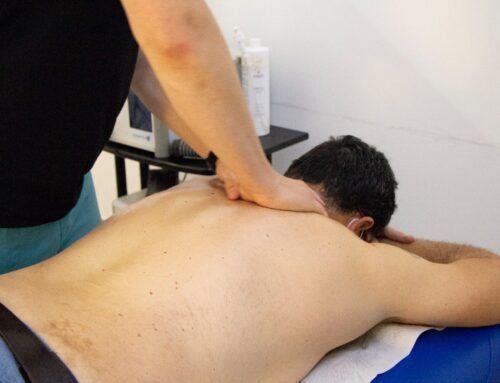
Osteopathy: treating the cause, not just the symptom
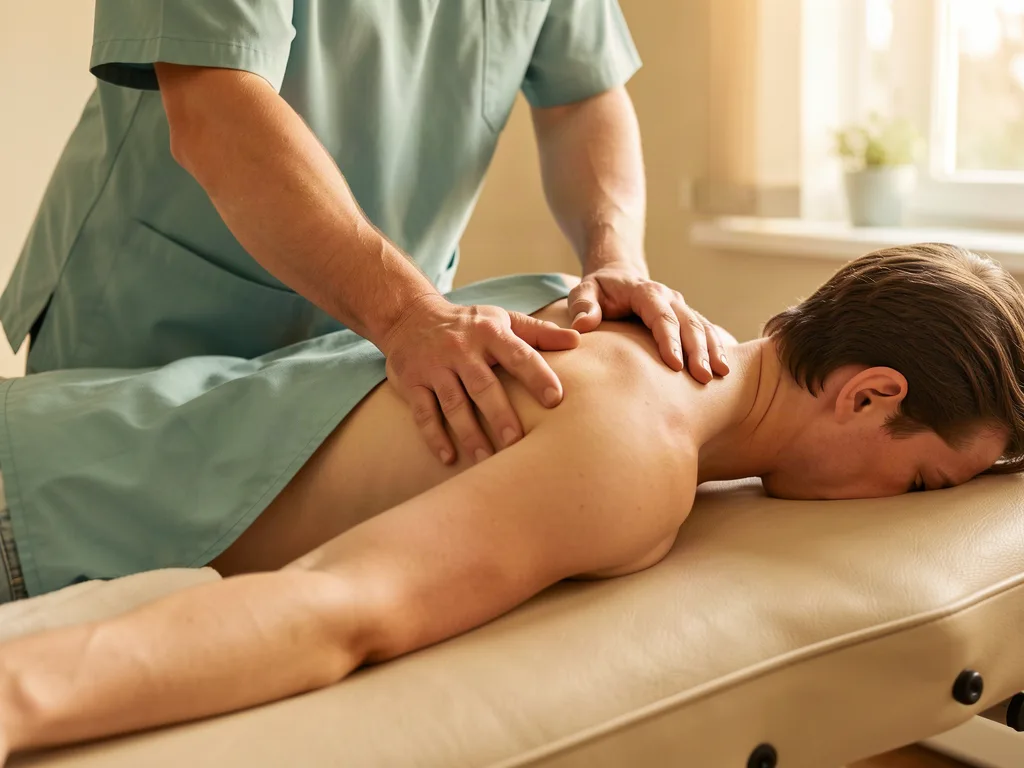
Osteopathy: treating the cause, not just the symptom
That back pain that comes back every month. The stiff neck that appears “for no reason”. The tight cervical spine after an intense week. Often the body is not asking for a painkiller: it is asking for someone to listen to where the problem really begins. Osteopathy is precisely that: a hands-on discipline that looks at the body as a whole and searches for the deep cause of the dysfunction, not just the spot where it hurts.
What is osteopathy?
Osteopathy is a manual therapeutic discipline that works on the musculoskeletal system, but also on the mobility of the viscera, the cranium and the fascia — the connective tissue that wraps everything together. Its core principle is that structure and function are intimately related: when a structure loses mobility, function is altered, and that alteration can show up far away from its origin.
That is why an osteopath does not stop at “where it hurts”: they assess muscle chains, posture, the body’s balance and how the different areas relate to one another. Low back pain can originate in restricted mobility of a pelvic joint, in a stiff rib or even in diaphragmatic tension related to stress.
How an osteopath works
An osteopathy session always begins with active listening: the therapist gathers the patient’s history, how the problem started, what makes it worse and what relieves it. A global physical examination follows, assessing posture, joint mobility and the tissues. Based on that diagnosis, manual techniques are applied:
- Structural techniques: gentle joint mobilisations and manipulations to restore movement to a restricted joint.
- Myofascial techniques: work on muscles and fascia to release accumulated tension.
- Visceral techniques: gentle mobilisation of the organs to improve their function and their relationship with the rest of the body.
- Cranial techniques: subtle micromovements that aim to release deep tension and support the body’s self-regulation.
All of them are performed with the hands, without drugs or surgery, tailored to each person and their moment.
When osteopathy can help you
Osteopathy is especially useful in recurring or persistent complaints of the musculoskeletal system:
- Back pain (lower, mid and upper), both acute and recurrent.
- Stiff necks, rib restrictions and repeated muscle spasms.
- Tension headaches and pain related to cervical tension.
- Aftermath of bumps and falls: restoring mobility after a sprain or an accident.
- Sciatica, pinched nerves and discomfort radiating to the leg or arm.
- Support for stress: releasing the diaphragm and postural tension helps the body rest better.
It does not replace medical diagnosis: it complements it. In the face of severe pain, fever, loss of strength or alarm symptoms, the first step is always a medical assessment.
What to expect in a session
The first session usually lasts 45 to 60 minutes, because much of the time is devoted to listening and to the global examination. The manual techniques should not be painful: work happens within the patient’s comfortable range. It is normal to feel a “worked muscle” sensation for 24–48 hours, similar to post-exercise soreness. The number of sessions depends on the problem, how long it has been there and how each body responds; in many cases improvement is noticeable within the first sessions, and the goal is always to give you tools so the improvement lasts.
A whole-body approach, at clinics that understand the whole body
At SanySa del Levante, osteopathy works hand in hand with physiotherapy and medicine, with a prior assessment and an individualised treatment plan. The advantage of a multidisciplinary team is clear: if your back pain needs osteopathy, you will have it; if it needs an ultrasound or a medical assessment to rule something else out, you will have that too. Your body works as a whole — and that is exactly how we treat it.