Annual gynecological check-up
Annual gynecological check-up: the appointment you shouldn’t postpone
The gynecological check-up is one of the most frequently postponed medical visits. “Nothing hurts”, “I’m not sexually active right now”, “I’ll go next year”… And yet many of the conditions that matter most in gynecological health — asymptomatic infections, abnormal smear results, ovarian cysts, uterine fibroids, endometrial or menstrual cycle changes — produce no symptoms until they are advanced. The annual visit exists precisely to stay one step ahead: detect, treat and reassure in time.
What does a complete gynecological check-up include?
A quality check-up is not just “a quick examination”. At SanySa del Levante, the annual gynecological review includes:
- Clinical interview: menstrual cycle, contraception, habits, family history of breast, ovarian or uterine cancer, and pregnancy planning if applicable.
- Gynecological examination with speculum, always explained before and during the exploration, respecting each patient’s pace.
- Cervical smear test (Pap test) when indicated, which can detect premalignant lesions of the cervix years before they become a problem.
- Breast examination and guidance on self-examination and screening according to age and risk.
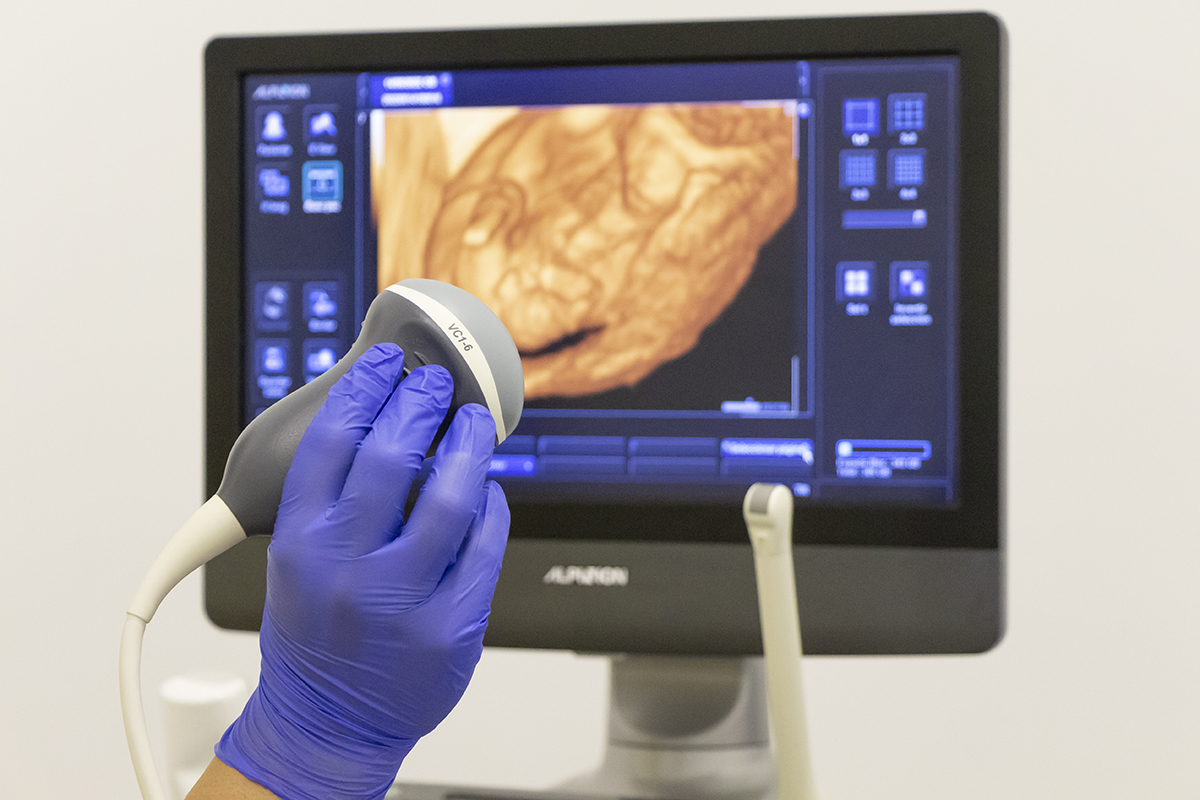
- Gynecological ultrasound (abdominal or transvaginal) to view the uterus, endometrium and ovaries in real time.
How often should you have a check-up?
As a general guideline:
- Once a year is the usual recommendation for sexually active women or from the age of 25, even without symptoms.
- Smear test: usually every 1–3 years depending on the result and your age; your gynecologist will set the schedule.
- See a doctor sooner if you experience irregular or post-coital bleeding, pelvic pain, changes in discharge, very heavy periods or pain during intercourse.
- Menopause: the annual check-up continues; bone health, pelvic floor control and abnormal bleeding are added — bleeding after menopause is never “normal”.
The appointment that brings peace of mind
A twenty-minute visit once a year changes the statistics: detecting a premalignant lesion on the smear or an endometrial polyp on the ultrasound means solving it in the clinic; detecting it late turns something simple into a complex problem. At SanySa del Levante we focus on three things: explaining everything before doing it, carrying out the examination unhurried, and giving you a clear plan at the end. Preventive gynecology is not just running tests: it’s having a trusted professional who knows your history, year after year.
You can bring someone with you if it makes you feel safer, and you can always ask to stop or have anything explained again as many times as you need. It is your body and your consultation.
How to prepare for your visit
- Write down the date of your last period and your usual cycle length.
- Avoid sexual intercourse, vaginal treatments and tampons in the 48 hours before the smear test.
- Bring a list of your regular medication and any contraceptives you use.
- Write down all your questions before the visit: they are easy to forget in the clinic.