
Preventive ultrasound: seeing inside your body before it hurts
Preventive ultrasound: seeing inside your body before it hurts
Most serious diseases do not announce themselves. Fatty liver, thyroid nodules, ovarian cysts or atherosclerotic plaque in the abdominal aorta can grow for years without producing a single symptom. When pain appears or blood tests become abnormal, the problem is often already established. Preventive ultrasound exists precisely to get ahead of that moment: it is a safe, painless, radiation-free window that lets us see inside the body in real time.
What is a preventive ultrasound?
It is an imaging study using ultrasound waves, performed by a physician, that examines specific organs in a person without symptoms, with the goal of detecting early changes: hepatic steatosis (fatty liver), bile duct dilation, stones in the gallbladder or kidney, thyroid nodules, abdominal aortic aneurysms, ovarian cysts, uterine fibroids or prostate changes.
Unlike other tests, ultrasound uses no ionizing radiation, requires no contrast or complex preparation, and results are immediate: the doctor sees the images on screen while scanning and can explain the findings during the same visit.
Why is abdominal ultrasound so useful?
The abdomen concentrates many of the organs where silent diseases develop: liver, gallbladder, pancreas, kidneys, spleen and aorta. A complete abdominal ultrasound can:
- Detect fatty liver at reversible stages, when it can still be corrected with diet and exercise.
- Find stones in the gallbladder or kidney before they trigger a pain crisis.
- Measure the abdominal aorta and rule out aneurysm, especially relevant from age 60 or with hypertension and smoking history.
- Examine the kidneys for cysts, hydronephrosis or masses.
How often should you have a preventive ultrasound?
There is no single answer: it depends on age, family history and risk factors. As a general guide:
- Healthy adults: a baseline abdominal ultrasound every 2–3 years from age 40–45 is a reasonable practice.
- Risk factors (hypertension, diabetes, dyslipidemia, obesity, alcohol use, family history): annual check-up recommended.
- Women: gynecological (pelvic/transvaginal) ultrasound is key for monitoring fibroids, ovarian cysts and the endometrium, alongside the routine gynecological exam.
- Men from age 55–60: prostate and abdominal aorta monitoring should be added.
How it is performed and what to expect
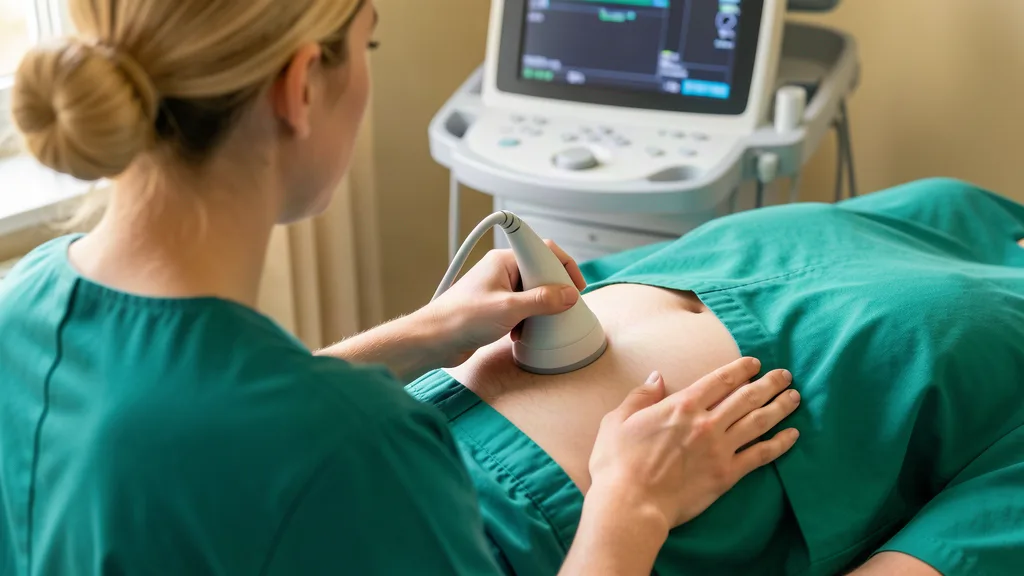
The test takes 15 to 30 minutes. You will lie on the examination table, a cool gel will be applied to your skin and the doctor will slide the probe over the area being studied. It is painless, has no side effects and you can return to normal activity immediately. For an abdominal ultrasound you should fast for 6–8 hours; for a pelvic ultrasound, a full bladder may be requested.
Seeing inside the body, without waiting for pain
At SanySa del Levante we perform preventive abdominal, thyroid, gynecological, soft tissue and Doppler ultrasounds, performed by physicians experienced in imaging. The goal is simple: a 20-minute scan that gives you years of peace of mind. Because in health, the difference between a scare and a serious problem is almost always called early detection.