Nourishing your body: eating well means eating with sense

Nourishing your body: eating well means eating with sense
We eat several times a day, every day of our lives. And yet we rarely stop to think whether what reaches our plate actually matches what our body needs. Clinical nutrition goes far beyond fashionable diets: it is the science of adapting food to each person, their health, age, activity and circumstances. At SanySa del Levante we believe that good nutrition is, along with rest and movement, one of the pillars of integral health.
What is clinical nutrition?
Clinical nutrition is the medical area that studies how your body uses nutrients and how food influences health and disease. It is not about handing you a standard diet sheet, but about performing a personalised nutritional assessment: reviewing your history, body composition, habits, blood tests and realistic goals, and from there designing a sustainable eating plan.
A serious nutritional plan does not forbid foods: it teaches you how to combine them, portion them and enjoy them. Because the best diet is the one you can keep up over time without feeling you are “on a diet”.
Signs your diet could be improved
- Persistent tiredness and low energy, even with good sleep: may reflect deficiencies in iron, vitamin D or B vitamins.
- Recurring heavy digestion, bloating or abdominal discomfort: deserves medical assessment before blaming stress.
- Involuntary weight gain or loss: always a reason to consult, never to improvise a diet.
- Fragile skin, hair and nails: nutritional status shows up there early.
- Altered cholesterol, glucose or uric acid in your blood test: in many cases, food is the first treatment.
Autumn and winter eating: seasonal sense
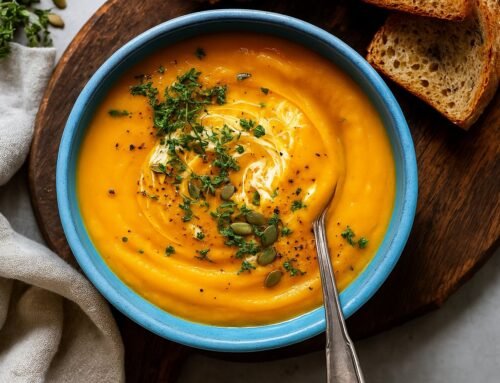
Eating with sense also means eating with the season. In cold months your body welcomes warm, fibre-rich foods: legumes in stews and seasonal vegetables such as broccoli, cauliflower, chard or pumpkin. Citrus fruits reach their best moment, delivering vitamin C right when colds arrive. Walnuts and almonds, freshly harvested, provide healthy fats that protect the heart. And warm infusions and broths help you stay hydrated when drinking water feels less appealing.
None of this is folklore: the seasonal Mediterranean diet is probably the best-studied eating pattern in the world.
Nutrition and prevention: measuring before changing
A proper diet influences blood pressure, cholesterol, glucose, weight and inflammation. That is why, before changing habits, it is worth measuring: a general blood test and a nutritional assessment tell you where you start from. That is the difference between improvising and preventing.
At SanySa we combine the nutrition consultation with the imaging tests and blood work needed so that your plan is based on data, not guesswork.
How we work on nutrition at SanySa del Levante
- First assessment consultation: clinical history, habits, body composition and realistic goals.
- Personalised eating plan, flexible enough for eating out, family and work life.
- Follow-up with progressive adjustments: a diet is not prescribed, it is built and adapted.
- Coordination with the whole team: general medicine, psychology, gynaecology and physiotherapy, because excess weight, menopause or work stress all change the plan.
Start with an assessment, not with a diet
If you have felt for a while that you should take better care of yourself but do not know where to start, the first step is not a diet: it is knowing where you stand. A nutritional assessment gives you a starting point and a realistic plan, with no miracles and no impossible promises.